
What is Epoxy Potting Compound Used For?
Epoxy potting compounds play a crucial role in the realm of electronics, providing a versatile solution for potting and encapsulating various electronic components. In this blog, we'll delve into the world of epoxy potting, exploring its uses, key features, and the essential aspects to consider when working with these compounds.
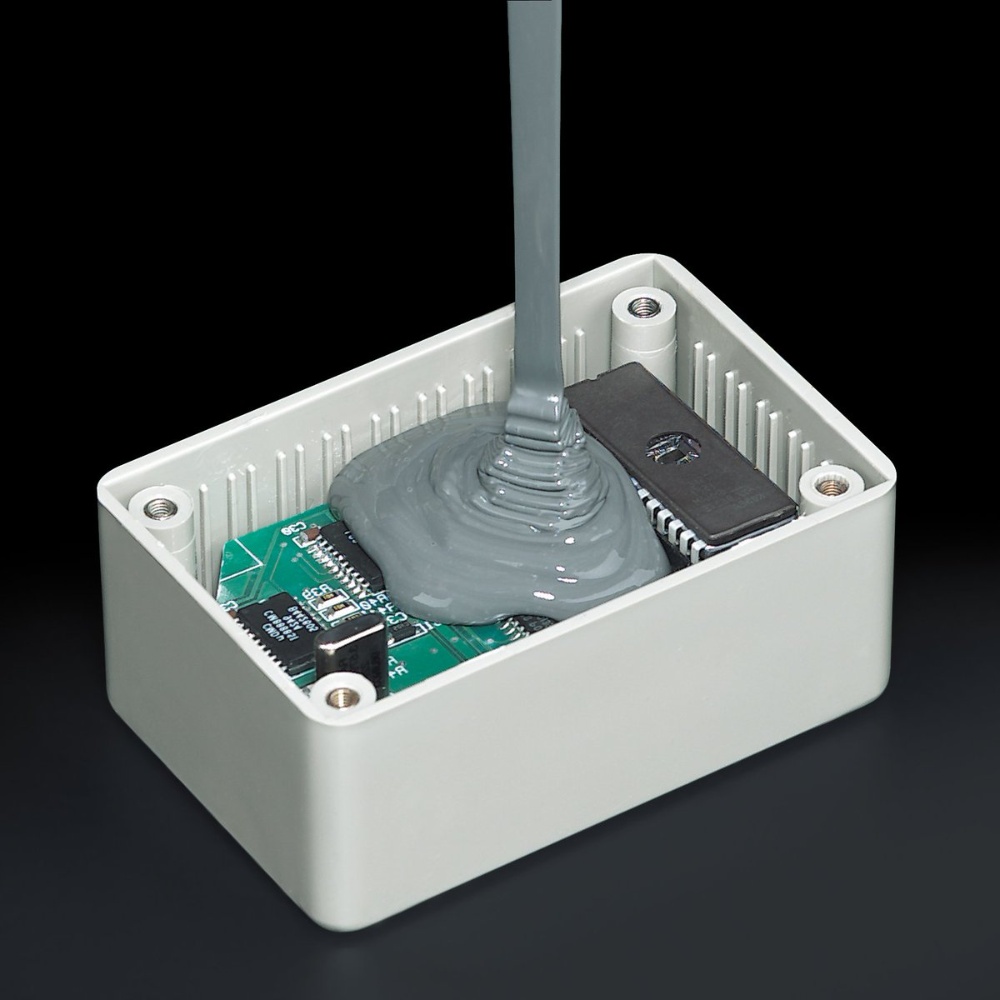
Epoxy Potting for Electronic Components:
One of the primary applications of epoxy potting compound is in electronic potting, where it is used to protect sensitive electronic components from environmental factors such as moisture, dust, and temperature extremes. The ability of epoxy potting compounds to provide electrical insulation is particularly beneficial in safeguarding delicate circuits and preventing short circuits.
Room Temperature and High-Temperature Potting:
One notable characteristic of epoxy potting compounds is their adaptability to different temperature ranges. These compounds are designed to cure effectively at room temperature, offering convenience in various applications. Additionally, some formulations are engineered to withstand high temperatures, ensuring the longevity and reliability of electronic devices operating in challenging environments.
Working Time and Mix Ratios:
Epoxy potting compounds often come with varying working times, allowing technicians and engineers the flexibility to handle and position components before the compound sets. Understanding the mix ratio is crucial for achieving optimal results. Proper mixing ensures the chemical components react appropriately, resulting in a robust and durable potting solution.
Chemical Resistance and Silicone Potting Compound:
The chemical resistance of epoxy potting compounds makes them suitable for applications where exposure to harsh chemicals is a concern. Moreover, silicone potting compounds, with their excellent chemical resistance and flexibility, complement epoxy formulations, providing a broader range of options for different electronic applications.
Epoxy Resin for Potting and Encapsulation:
Epoxy resin is a key component in epoxy potting compounds, offering a balance of strength, adhesion, and electrical insulation properties. This resin is the backbone of the potting process, providing a protective barrier around electronic components while maintaining their functionality.
Part Epoxy Systems:
Part epoxy systems, often comprising a resin and a hardener, are commonly used in epoxy potting. These systems offer a straightforward approach to mixing and application, allowing for precise control over the potting process.
Conclusion:
Epoxy potting compounds are indispensable in the field of electronics, providing a reliable and durable solution for protecting sensitive components from environmental factors and ensuring the longevity of electronic devices. From room temperature potting to high-temperature applications, these compounds offer versatility and performance. Understanding key aspects such as working time, mix ratios, and chemical resistance empowers engineers to choose the right epoxy potting solution for their specific needs, contributing to the success and reliability of electronic systems. As a professional epoxy potting compound manufacturer and electrical insulating solutions provider, we would be pleased to advise you individually, and you are also welcome to send your inquiry to eason@jxrt.com.